Arts & Crafts
Accordion Paper Animals: Fold a Low Zigzag Body and Add a Character
 Facebook
 Pinterest
 X
X LinkedIn
 Reddit
 WhatsApp
 Telegram
 Bluesky
 Email
Email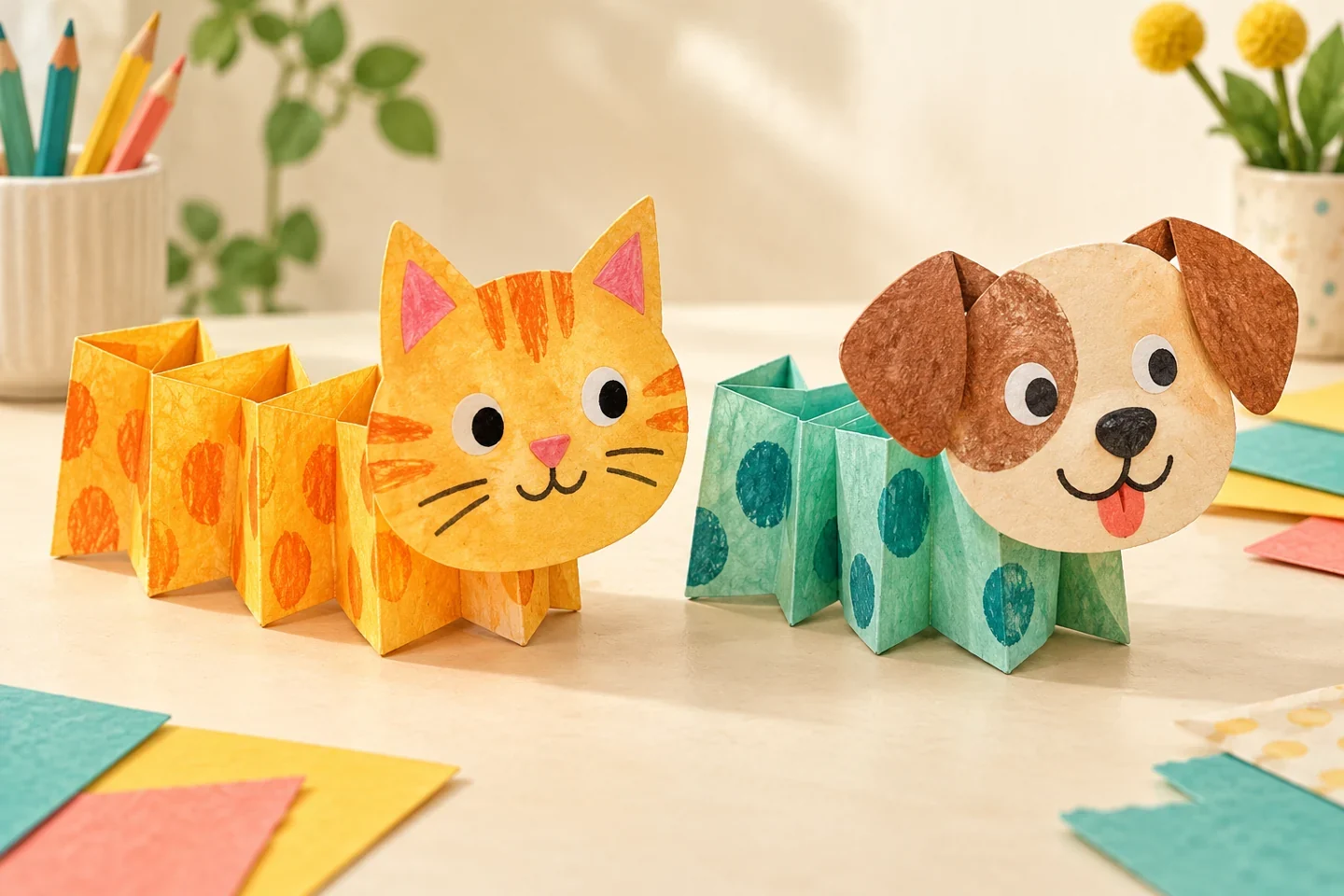
A short accordion-folded strip can stand on its lower fold edges like a small zigzag fence. Add a broad paper head to one end panel and the folded body becomes a simple animal character. This version has no separate legs, springs, or long stretched bridge. The artwork illustrates possible characters; children can choose a different animal and change the decoration while keeping the basic construction manageable.
At a glance
| Suggested ages | 5–10 |
|---|---|
| Activity time | 25–40 minutes |
| Adult setup | 10 minutes |
| Participation | Individual or small group; watching, pointing, and partner assistance are welcome |
What you need
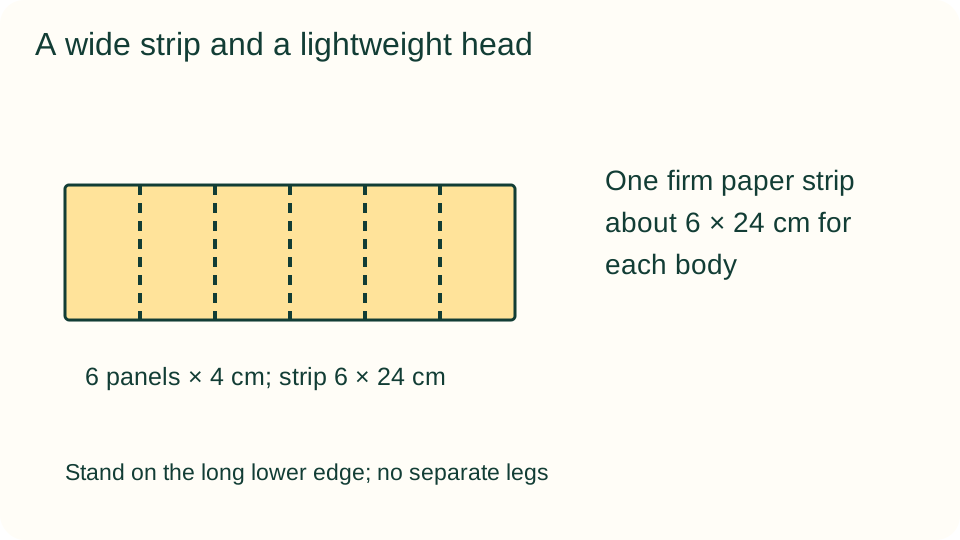
- One firm paper strip about 6 × 24 cm for each body
- A small piece of lightweight cardstock for a head about 6–8 cm across
- Pencil, ruler, crayons, and a glue stick or short pieces of tape
- Child-appropriate scissors with adult supervision; adult-precut strips and heads are an alternative
Get ready
An adult cuts broad strips and prepares a simple head outline if needed. Choose paper that creases readily but is firm enough to stand on its long lower edge. Keep decorations light and draw eyes instead of attaching small objects. Work on a flat table and prepare a resting space so the animal can remain still while adhesive dries.
Try the activity
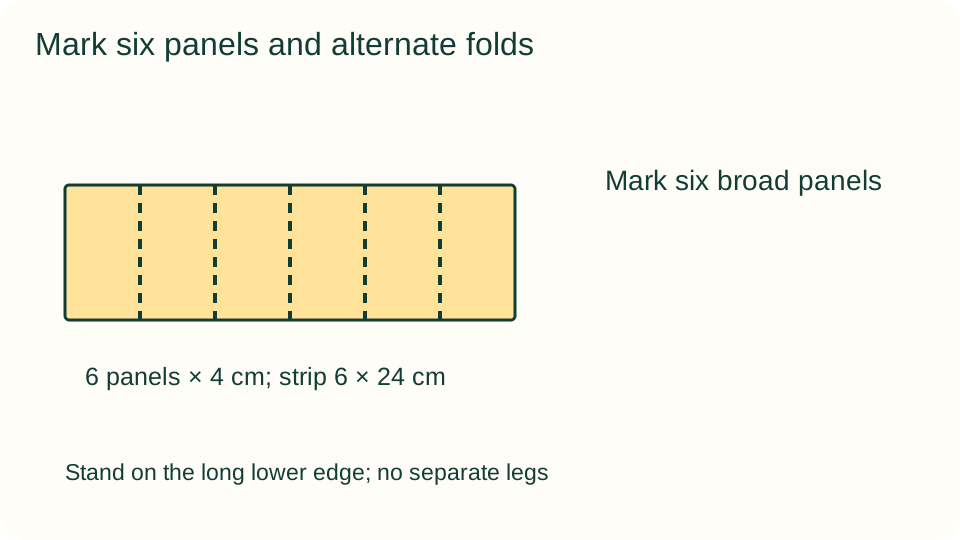
1. Mark six broad panels
Lay the strip horizontally and mark lines every 4 cm across its 24 cm length. These divide it into six panels. An adult can mark the lines beforehand or show how to use the ruler. Avoid narrow pleats that are difficult to fold and make the body tall or crowded.
2. Fold back and forth
Fold along the first marked line, then reverse the direction at the next line. Continue alternating across the strip and press each crease gently. The result should open as a short zigzag, not roll into a tube. If a fold goes the wrong way, reopen it and reverse it without tearing the paper.
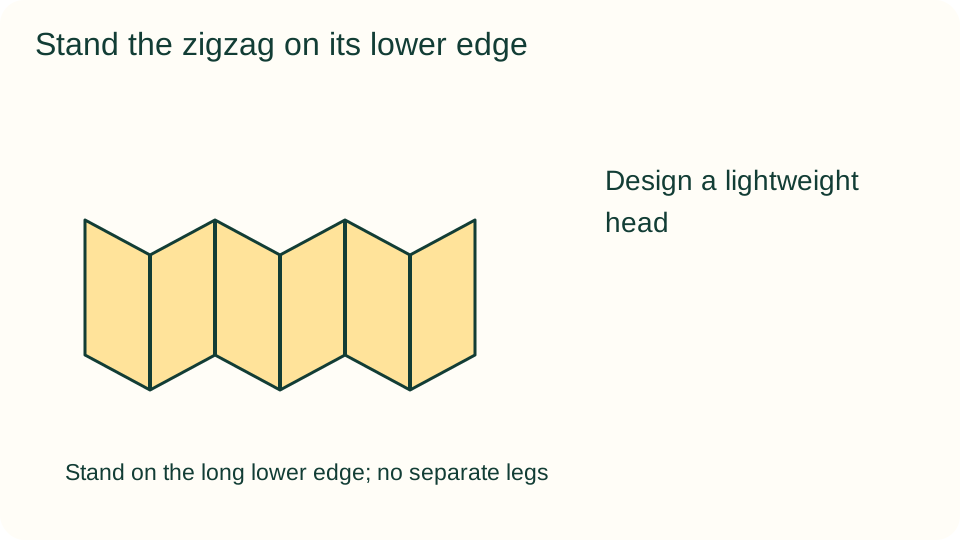
3. Stand the body low
Set the opened zigzag on one long lower edge so its panels stand about 6 cm high. Keep the folds partly closed and spread the footprint modestly. A body stretched nearly flat may tip. Adjust the angles until the strip stands freely on the table before adding the head.
4. Design a lightweight head
Draw and cut or choose a broad animal head from lightweight cardstock. Add eyes, mouth, and large recognizable features with crayons. Keep it near the stated size so it does not outweigh the body. Do not add separate legs or small beads; the folds already provide the supporting structure.
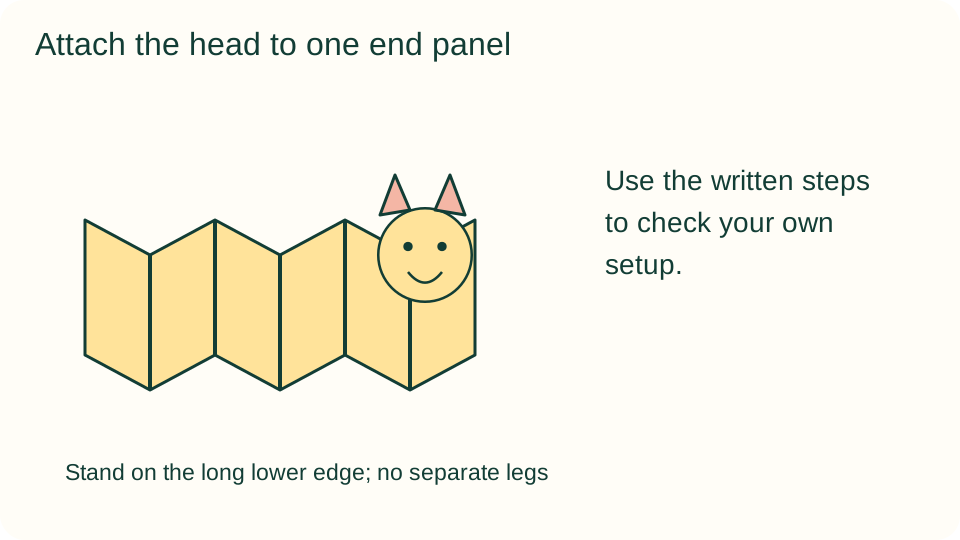
5. Attach to one end panel
Place the lower portion of the head against the outside of one end panel and attach it without bridging adjacent folds. Keep its bottom above the table so the body can stand on its own edges. Let glue settle, then check whether the end panel needs a slightly different angle for balance.
6. Test and personalize the character
Stand the animal on the flat table and open or close the folds gently to find a stable position. Add drawn fur, scales, stripes, or a broad paper tail only if the body remains steady. Give the character a name or a short story if wanted, and compare designs without stretching or pulling the body.
What children can explore
Ask how alternating folds change a flat strip and why a low zigzag can stand on the table. Head size and fold spacing can affect stability, but the craft does not need a formal balance test. Discuss which drawing details make an animal recognizable and which parts are freely invented.
Make it work for your group
Provide a prefolded body for younger participants while they choose and decorate the head. Older children can try a different drawn surface pattern or compare two head placements on spare bodies. A seated participant can work entirely at table height. Directing a partner's folds is an alternative to independent hand folding.
At home and in the classroom
At home, make one animal and test it before preparing another. In a classroom, demonstrate a single alternating fold with a large sample, then give pairs room to work. Keep finished animals on a flat drying table rather than a crowded shelf. A shared tabletop scene can remain optional and use each maker's permission.
Keep your creative choices
Save a sketch, a small test, or a short dictated note about one choice the maker wants to remember. A later version can use different colors, shapes, or decoration without matching the example. Let the maker decide whether to continue, share the work, or keep it private.
Helpful fixes and cleanup
If the animal tips, close the zigzag slightly, lighten the head, or lower its attachment rather than add rigid weights. Repair a torn crease with a short tape piece only if it still folds easily. Gather scraps, close adhesives, and store the fully dry animal gently with the accordion partly closed so its creases are not crushed.