Nature & Outdoor Adventures
Start a Spring Nature Journal With Kids: Simple Observation Activities
 Facebook
 Pinterest
 X
X LinkedIn
 Reddit
 WhatsApp
 Telegram
 Bluesky
 Email
Email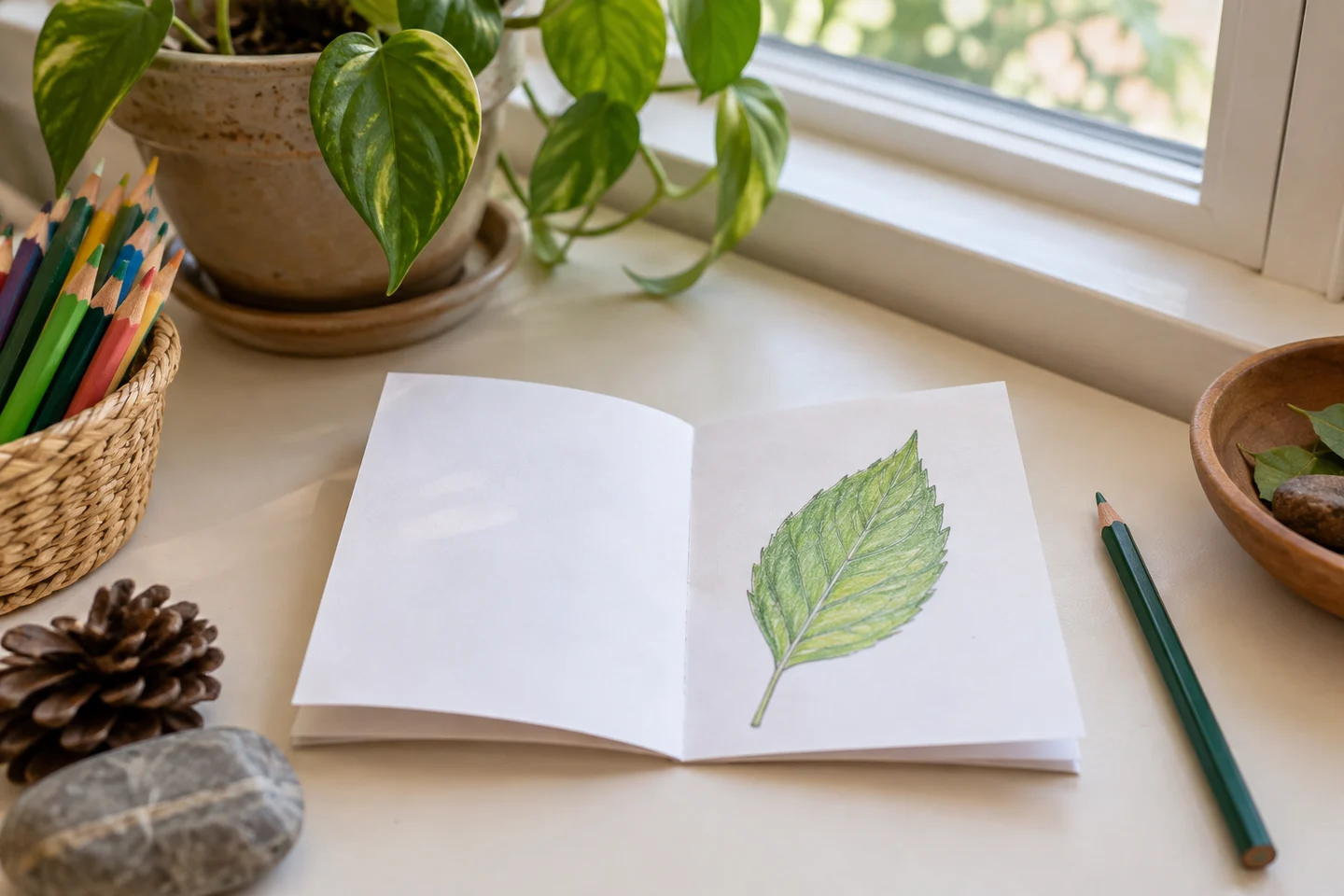
A bud beginning to open, a puddle growing smaller, or a bird stopping on a fence: a nature journal gives children somewhere to save these little discoveries. You can begin with a notebook and a view you can visit again.
Spring looks different from place to place. Snow, rain, new leaves, and observations through a window all make useful starting points. Looking closely at one familiar spot is often more rewarding than trying to record everything on a long walk.
At a glance
| Detail | Plan |
|---|---|
| Suggested ages | 5–10, with drawing or adult transcription options |
| Preparation | About 10 minutes at home; 20 minutes for a class |
| First session | 20–30 minutes |
| Return visits | 5–10 minutes, once or twice a week |
| Group size | One child, pairs, or a class using a bounded observation area |
| Mess level | Low |
What you need
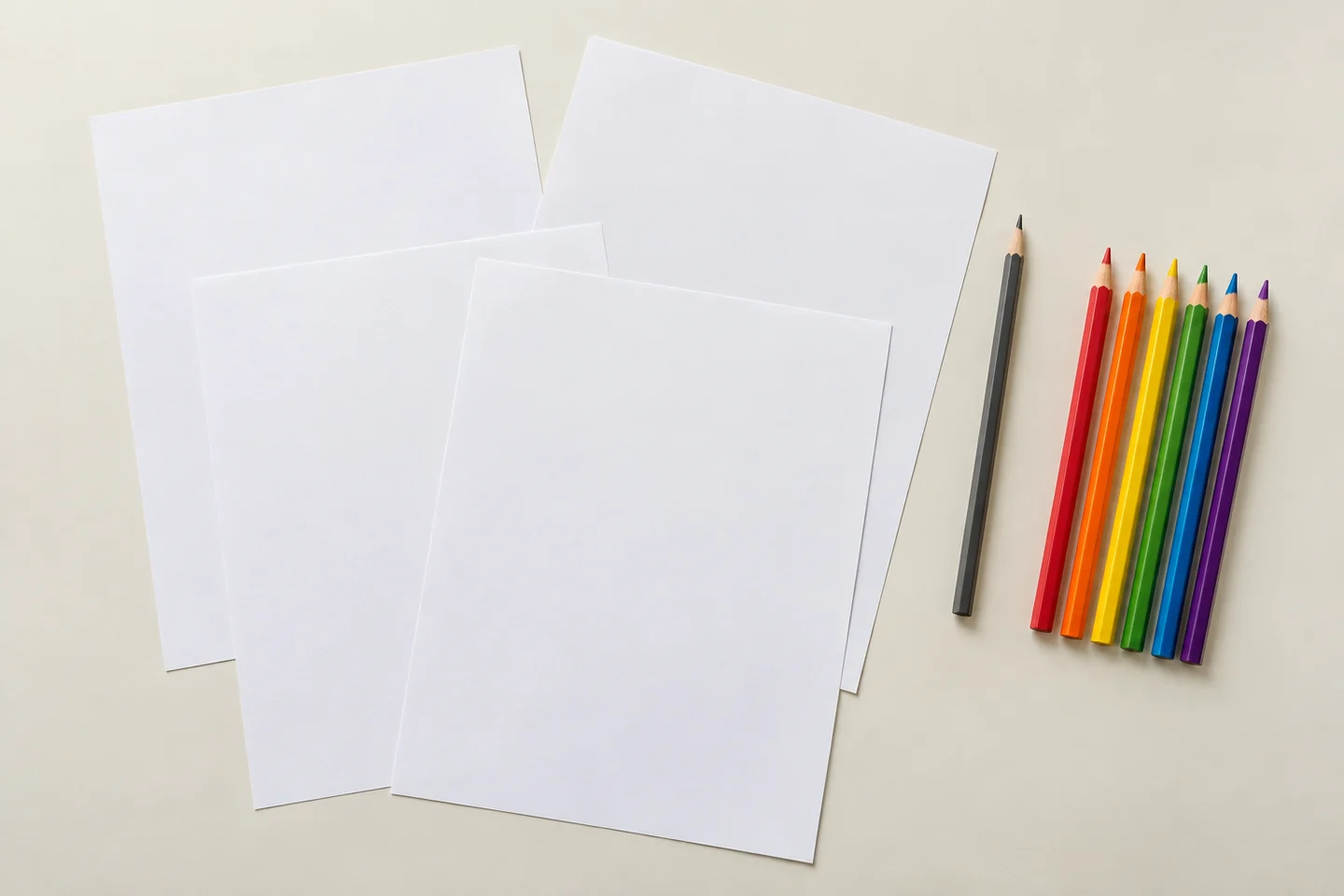
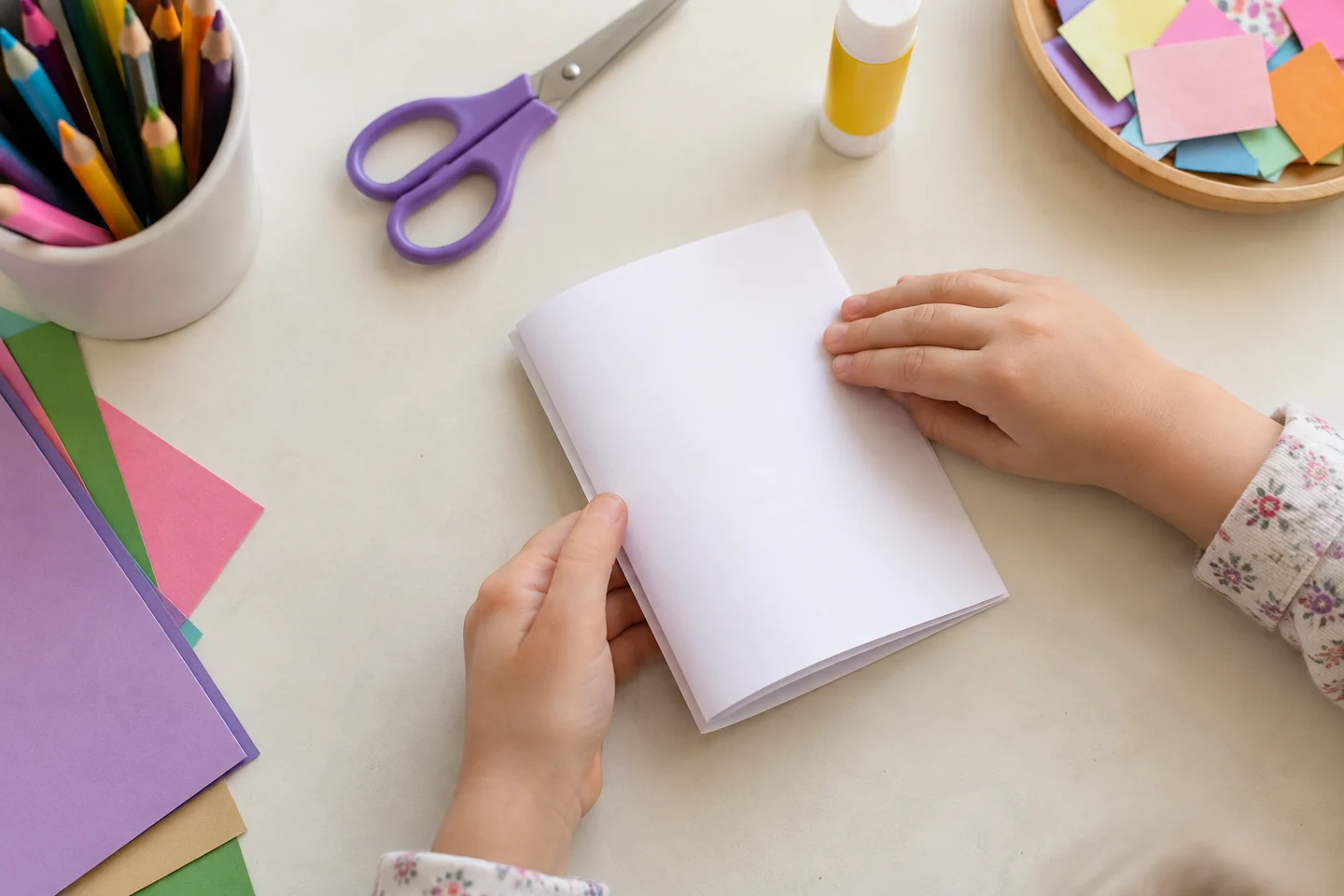
- An existing notebook, or four sheets of paper folded together.
- A pencil and optional crayons or colored pencils.
- A clipboard, folder, or firm book to write on.
- An optional paper cover.
For 24 children, provide 24 notebooks or 96 sheets for folded journals. Adults can staple folded sheets and check that the ends lie flat, or keep the loose pages in folders. A magnifier is optional; keep it away from direct sunlight and never look at the sun through it.
Choose your observation spot
Pick a safe, accessible place that is easy to revisit: a window tree, garden bed, or patch beside a path. Agree where children can move and leave plants and wildlife undisturbed. Keep the journal and pencil together so returning takes little preparation.
Make your first entry
1. Add the date and place
Write the date and a simple location, such as “tree by the gate.” Describe the conditions with words like cloudy, breezy, or cool. An adult can write these details for a younger child.
2. Pause and look
Spend a minute noticing colors, shapes, and movement. Ask, “What caught your eye?” Choose one subject rather than filling the whole page with everything nearby.
3. Draw a few details
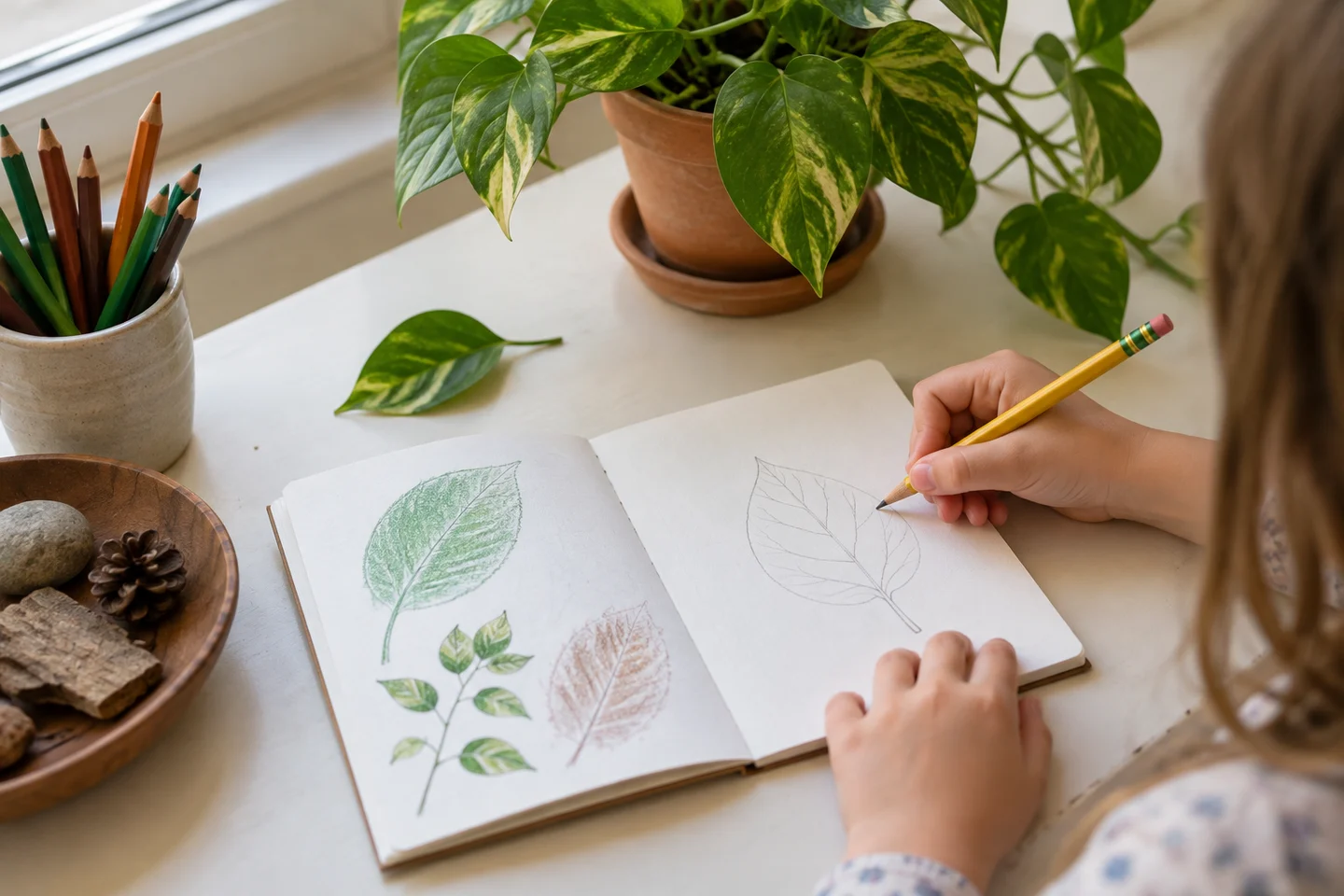
Sketch the main shape, then add something noticed: a bud, a leaf edge, or a patch of color. Marks and labels are useful records even when the drawing is simple.
4. Add a noticing and a question
Try “I notice three buds” and “I wonder when they will open.” One describes what you can see; the other gives you something to look for next time. Adults can record children’s exact words beneath the drawing.
5. Return to the spot
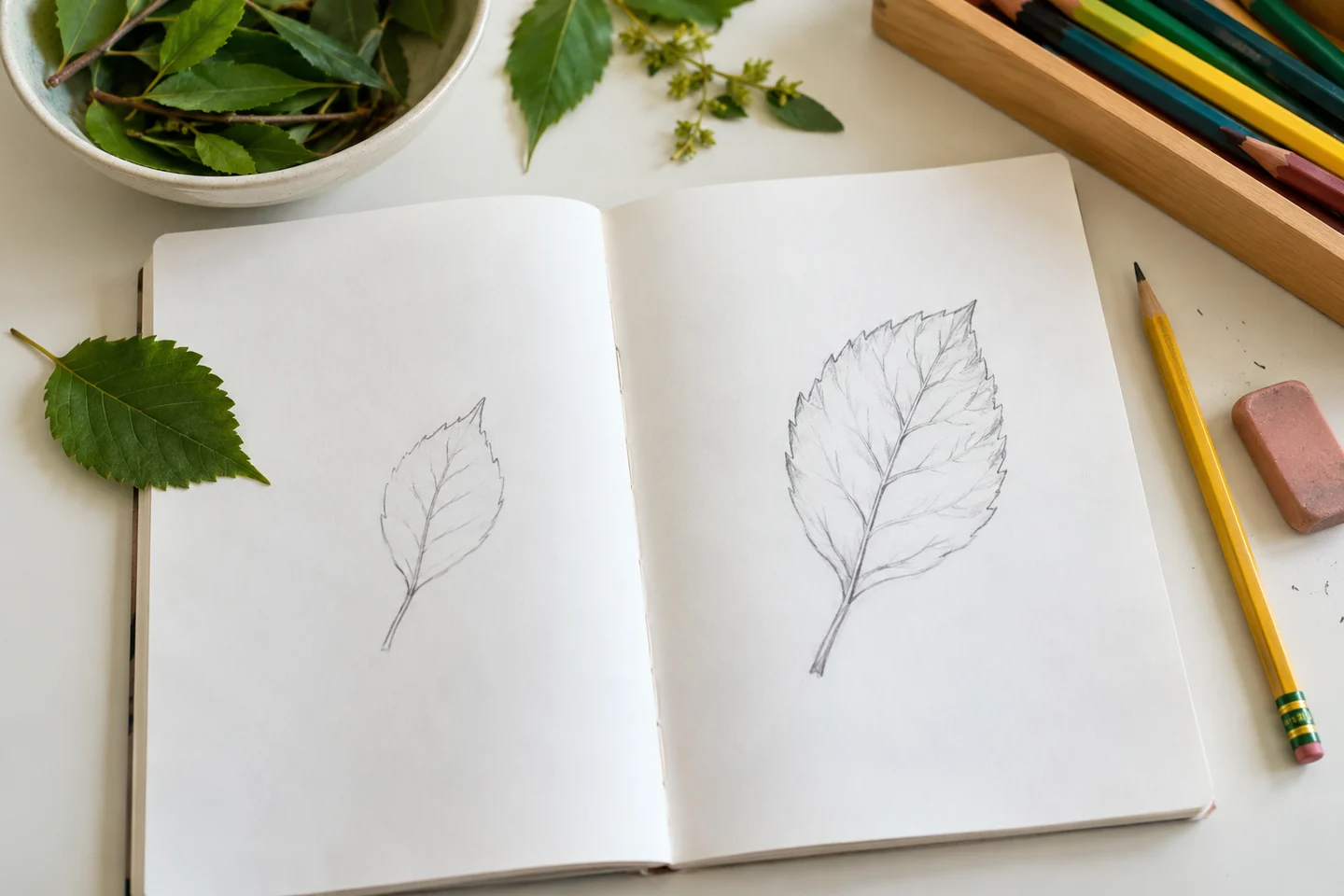
After a few days, make another dated entry from a similar position. Put the drawings beside each other. Ask what looks different, what looks similar, and which detail you want to watch again.
6. Choose a next question
Your child might count new leaves, watch a puddle, or compare a shadow. Keep the question small enough to revisit comfortably. Lighting and viewpoint can change appearances, so note them when they matter.
What children can explore
A journal combines close looking, drawing, language, and comparison. Try asking, “Which detail appeared after you looked longer?” or “What would you like to find out?” A description such as “small brown bird” is useful even without a species name.
At home and in the classroom
At home, five minutes by a window can become an easy routine. In class, let pairs observe together while keeping individual records. A shared window view or dated pictures of the same place can work when outdoor access is limited.
Make it work for your group
Offer large drawing spaces, prepared date boxes, or adult transcription. Older children can count a feature across visits or measure it without damaging the subject. A drawing and one spoken sentence are enough for a younger observer.
Helpful fixes and cleanup
Nothing changed? Record that, look for a smaller detail, or wait longer between visits. Subject gone? Note the change and choose another focus. Wet weather? Use a window view. Store journals somewhere dry and return another day for the next small discovery.